Covering a rugby tournament when the schedule changes overnight
Practical steps for volunteer reporters when kickoff times and venues shift at short notice, from reworking notes to filing on deadline.
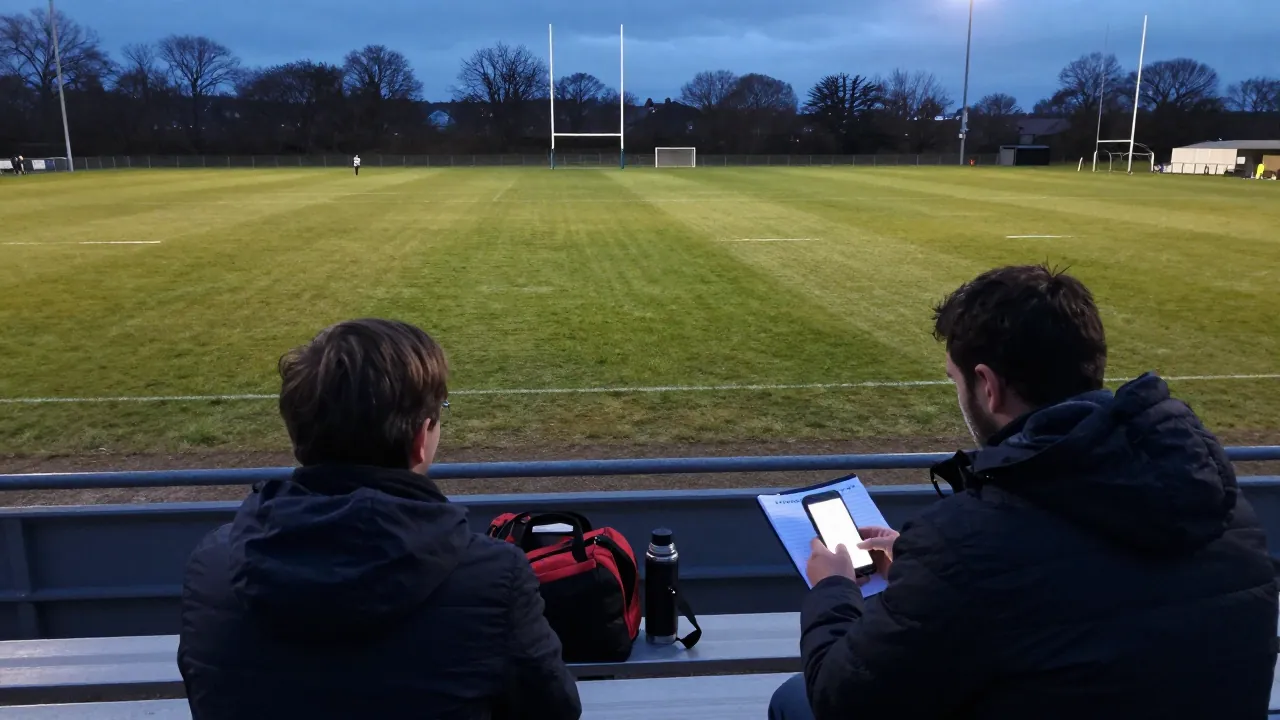
A rugby tournament can turn on a text message. https://cwdir.org/ You go to bed with a kickoff time and a venue written in your notebook, and you wake up to a change that affects your travel, your interviews and your filing plan. We have covered and trained at enough small tournaments to know that the schedule is a rumour until the whistle goes. This guide is for volunteer reporters, bloggers and student journalists working without a press office on speed dial. It gives you a routine for confirming changes, reworking your notes and filing on deadline. You will be able to protect the reporting that matters and drop the parts that do not, as we learned during our field reporting weekends.
The changes usually arrive in the same way: a message in a group chat, a notice pinned to a changing room door, or a coach telling you the second pitch is now the first pitch because of drainage. None of these is a schedule. A schedule is the version that the tournament organiser has confirmed to teams and officials. Your first job is to find out whether the change is real and whether it applies to the match you plan to cover. For a wider set of checklists on tournament days, the community directory at https://cwdir.org/ is a useful place to find local resources.
What you need before the first whistle
You do not need a full broadcast kit for this. You need a small set of habits and tools that let you move fast without losing accuracy. We ask every volunteer on our training weekends to carry the same basics, and they have saved us more than once when a venue changed at short notice.
- A notebook and two pens, plus a phone charger and a power bank.
- The tournament schedule saved offline, and a screenshot of the latest version.
- Contact details for the tournament organiser or field marshal, agreed in advance.
- A one-page match report template you can fill in by hand if the laptop dies.
- A plan for a short file and a longer file, so you can choose when the clock moves.
It also helps to have a simple place to write everything down. We use a running file that starts with the date, the tournament name and the version of the schedule we are working from. When a change arrives, we add a new line with the time we heard it and who told us. That single habit makes it much easier to explain later why a report says one thing and the programme says another.
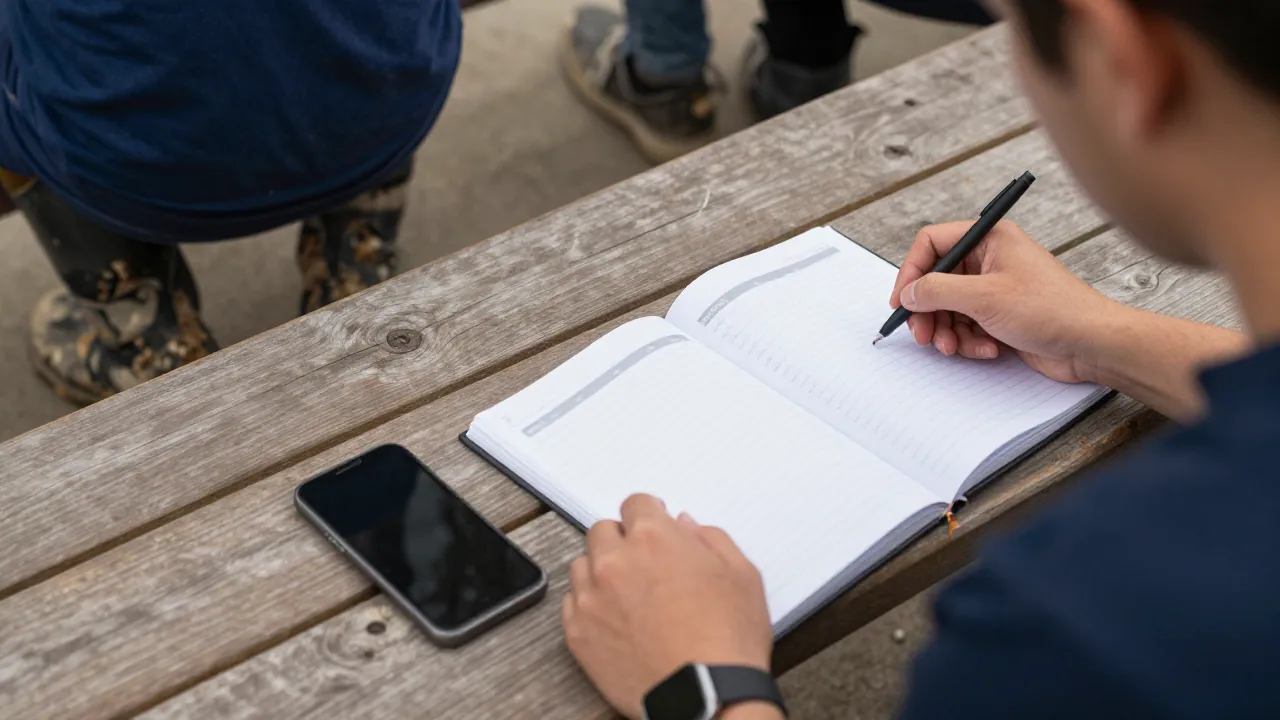
Steps for handling an overnight change
- Read the whole message before you reply. Look for the match, the new time, the new venue and who is affected.
- Confirm it through a second source: the organiser, a field marshal, or the team manager you already know. If two sources disagree, treat the earlier version as unconfirmed.
- Write down the change with a time stamp. Note who told you and what exactly they said.
- Rework your travel and arrival plan first. A later kickoff is easy; an earlier one may mean skipping a warm-up interview.
- Decide which planned item you will drop. Keep the match report and the key quotes; drop the optional colour piece or the second interview.
- Tell your editor or a colleague where you are going and when you expect to file. A short message prevents a lot of confusion.
- At the ground, check the team sheets and the scoreboard against your notes before you start writing.
The order matters. Confirm before you travel, travel before you report, and report before you polish. We have seen volunteers spend forty minutes rewriting a preview that was already out of date, then arrive late for a match that had moved forward by an hour. The preview was never going to be the story.
Reworking notes when the clock moves
When kickoff moves, your notes are not wasted, but they need reordering. We use a simple three-part page: team news, match events, and quotes. If the match starts earlier than planned, team news shrinks to the confirmed line-ups and one or two observations. If it starts later, you can add a short scene-setter or a note about the ground. The point is to decide before you start writing, not halfway through a paragraph.
| Situation | What to keep | What to drop first |
|---|---|---|
| Kickoff moves earlier by an hour | Confirmed line-ups, key quotes, score sequence | Scene-setting, second interview |
| Venue changes to a different pitch | Travel note, arrival time, access details | Warm-up colour, pre-match chat |
| Match delayed by two hours | Full notes and quotes, one extra observation | Nothing, but file a short version early |
| Second match cancelled | First match report and one interview | Preview of the cancelled match |
It also helps to label every note with the match and the time you wrote it. A page headed ‘Saturday, 11:40, pitch two, warm-up’ is easier to trust than a loose list of names. When you are tired and the deadline is close, those labels do the remembering for you. We borrowed this habit from our match report template and it has become standard in our training sessions.
The schedule is not the story. The story is what happens when the schedule moves and the players still have to play.
Filing on deadline without losing accuracy
A deadline is a promise, not a target. If the schedule has eaten your reporting time, file a short, accurate report and offer a longer version later. A short report should have the result, the key moments, one quote and a note about any schedule change that affected play. That is enough for most readers on the day, and it protects you from guessing.
Before you send, check the basics against your notes: the final score, the scorers, the time of the decisive moment, and the name of the venue. If a change meant you could not confirm something, say so in one sentence rather than filling the gap with assumption. Readers forgive a short report; they do not forgive a wrong score.
When you file, add a line to your running notes about what you would do differently next time. Over a season, those lines become a personal checklist. They are also the raw material for training sessions, which is how our workshop notes turn into practical steps for the next volunteer.
What we would do differently
The mistake we made most often in early seasons was treating the first schedule as final. We built travel plans around it, arranged interviews around it, and then spent the morning unpicking both. Now we build in a buffer: we arrive earlier than we think we need to, and we agree a cut-off point for interviews before the match. If the schedule holds, we have time to spare. If it moves, we have room to adapt.
The second lesson was about communication. A volunteer reporter alone at a ground can feel cut off when the schedule changes. A short message to a colleague or editor, even just ‘moved to pitch three, kickoff now 14:20’, keeps everyone working from the same facts. It is not bureaucracy; it is the difference between a calm file and a rushed correction.
Finally, we stopped trying to cover everything. At a small tournament, one well-reported match with two good quotes is worth more than three thin reports filed from a phone at the side of a pitch. If the schedule changes overnight, protect the reporting you can do well. The rest can wait. For more on how we run a small press box on days like these, see our press box guide.
Questions people ask
How do I confirm a schedule change quickly?
Ask the tournament organiser or a field marshal, then check with a second source such as a team manager. Write down the time and who told you. If the sources disagree, wait for confirmation rather than acting on the first message.
What should I file if kickoff moves earlier?
File a short report: the result, key moments, one quote and a note about the schedule change. Drop optional colour and second interviews. A short, accurate file protects your deadline and your credibility.
Can I still use notes taken before a venue change?
Yes, if you relabel them clearly. Keep confirmed team news and quotes; drop scene-setting tied to the old ground. Add the new arrival time and access details so your notes match the day as it happened.