Meet the volunteer who turns our messy workshop notes into a checklist
A longtime workshop helper explains how she sorts session scribbles, half-finished drills and touchline observations into a guide the next cohort can follow.

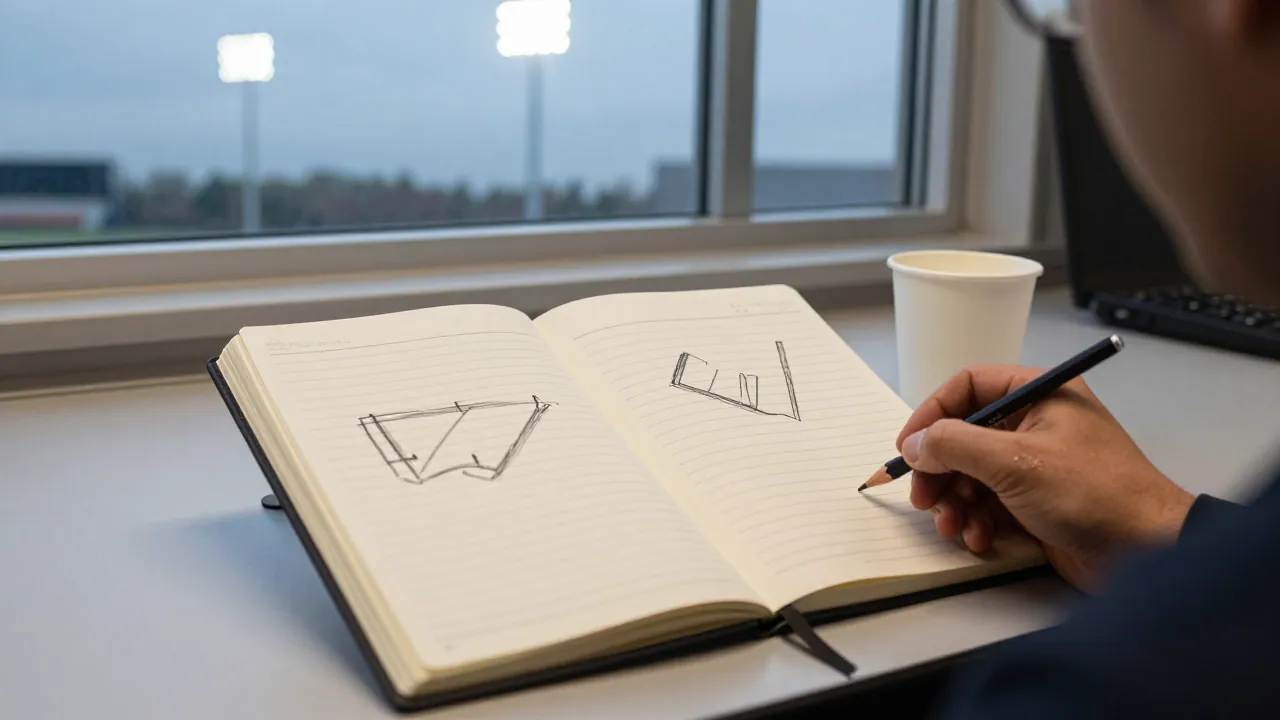
Every workshop ends the same way: a scatter of handwritten notes, a few photos, and a set of drills that made sense at the time. Somewhere between the last session and the next cohort, those scraps need to become something usable. For the past four seasons, one volunteer has taken on that job for us. She sits down with the pile, reads it all, and asks the same question each time: what would a newcomer need to know on day one? Her answer becomes a checklist that runs to two pages, no more. The work is quiet and mostly unseen, but it shapes how every new group starts. We spoke with her about the process, the mistakes, and the small habits that make workshop notes worth keeping.
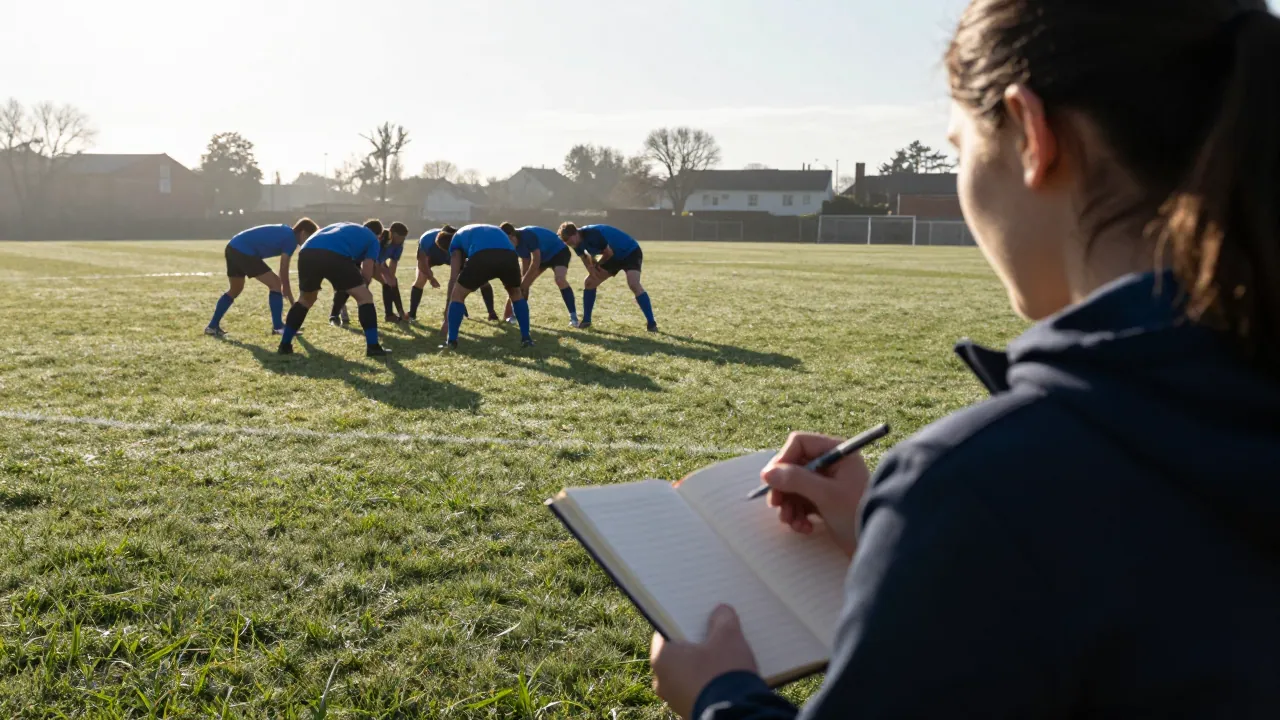
She joined us after a season of covering local rugby league matches for a community blog. She had no formal journalism training, just a notebook and a habit of writing down what she saw. When a workshop host asked for help tidying up after a session, she said yes. That was four seasons ago. Now she runs the notes process for every workshop we hold, from the preseason sessions in January to the end-of-season review in November.

How did you start keeping the notes?
The first workshop I helped with was a small session on match reporting. There were maybe a dozen people, and by the end there were notes on the whiteboard, notes in my book, and a few sheets the host had left on a chair. Someone had to make sense of it. I took the pile home and typed it up over a weekend. What I produced was far too long. It ran to six pages and nobody read it. That was the lesson: the notes are not the product. The checklist is.
The next time, I asked the host what she wanted people to be able to do after the session. Not what they should know, but what they should be able to do. That changed everything. I started sorting the raw notes into three piles: drills people could run on their own, observations about how a session works, and open questions that still needed an answer.
What goes into the three piles?
The drills pile is the easiest. These are the exercises we actually ran, written out step by step. If a drill involved watching ten minutes of a match and writing a lede, that goes in. If it involved pairing up and reading each other's work aloud, that goes in too. The test is simple: could someone who missed the session run this drill with two or three other people and get something out of it?
The observations pile is messier. This is where the host's side comments go, the things that are not drills but still matter. For example, one host always says to write the score and the competition in the first sentence, because readers scan for it. That is not a drill, but it belongs in the checklist. Another host points out that reading a match like a journalist means watching the bench and the warm-up, not just the ball. Those notes go in a short section called 'things to watch'.
The open questions pile is the one I like most. These are the things nobody answered. Maybe a participant asked how to get a credential for a small tournament, and the host said she would look into it. Maybe someone wanted to know how to track player movement without a paid tool. Those questions go on a list at the back of the checklist, and we try to answer one or two before the next cohort arrives. Some of them turn into whole sessions. Our accreditation clinic started as a single open question on that list.
The notes are not the product. The checklist is. If a newcomer cannot use it on day one, I have not finished the job.
What does the final checklist look like?
It is two pages, printed on both sides. Page one is the drills, numbered, with a line or two on what each one is for. Page two is the observations, the things to watch, and the open questions. There is a short header at the top with the season and the workshop name, and a line at the bottom that says who to ask if something is unclear. That line matters. A checklist that pretends to be complete is worse than one that admits its gaps.
We keep a copy in a shared folder and print a few for each session. The printing is not glamorous, but it helps. People write on the checklist during the session, and those marks become notes for the next revision. Last season, a participant circled the section on watching rugby league from the touchline and wrote 'more on this' in the margin. That note is now a planned addition for the spring.
What mistakes have you made along the way?
The biggest one was trying to include everything. Early on, I treated the checklist as an archive. If someone said something interesting, it went in. The result was a document that nobody could use. Now I ask a harder question: if this line disappeared, would a newcomer be worse off? If the answer is no, it comes out. The full notes still live in the shared folder for anyone who wants them, but the checklist stays short.
The second mistake was writing in the host's voice. For a while, the checklist read like a transcript of the session, with 'I' and 'we' all over the place. That confused people who had not been there. Now it is written in plain instructions: 'Watch ten minutes of the second half. Write three sentences about what changed.' The voice is neutral, and the steps are clear.
The third mistake was not dating anything. We had two versions of the same drill floating around, and nobody knew which was current. Now every checklist has a season and a date on the header, and older versions go into a folder marked 'archive'. It sounds small, but it saves arguments.
What would you tell someone starting this job?
Start with the question, not the pile. Ask the host what people should be able to do after the session. Then read the notes with that question in mind and throw away anything that does not help answer it. Keep a running list of open questions, and answer one before the next cohort arrives. Print the checklist and let people write on it. And keep the whole thing to two pages, even when it hurts.
One more thing: keep a list of mistakes. Ours is short and a little embarrassing, but it is the most useful page in the folder. It reminds us what not to repeat, and it makes the next checklist a little better than the last. That is the whole job, really. Small improvements, season after season, until a newcomer can pick up the checklist and run a session without calling anyone.
Questions people ask
Who writes the workshop checklist?
A longtime volunteer compiles it after each session, working from host notes, participant scribbles and her own record. The host reviews it before it goes out to the next cohort.
Why is the checklist only two pages?
Because a newcomer needs something usable on day one, not an archive. The full notes stay in a shared folder, and the checklist carries only what helps someone run a drill or follow a session.
Can participants suggest changes?
Yes. Marks and margin notes on the printed checklist become suggestions for the next revision. One margin note last season led to a planned addition on touchline reporting for the spring.