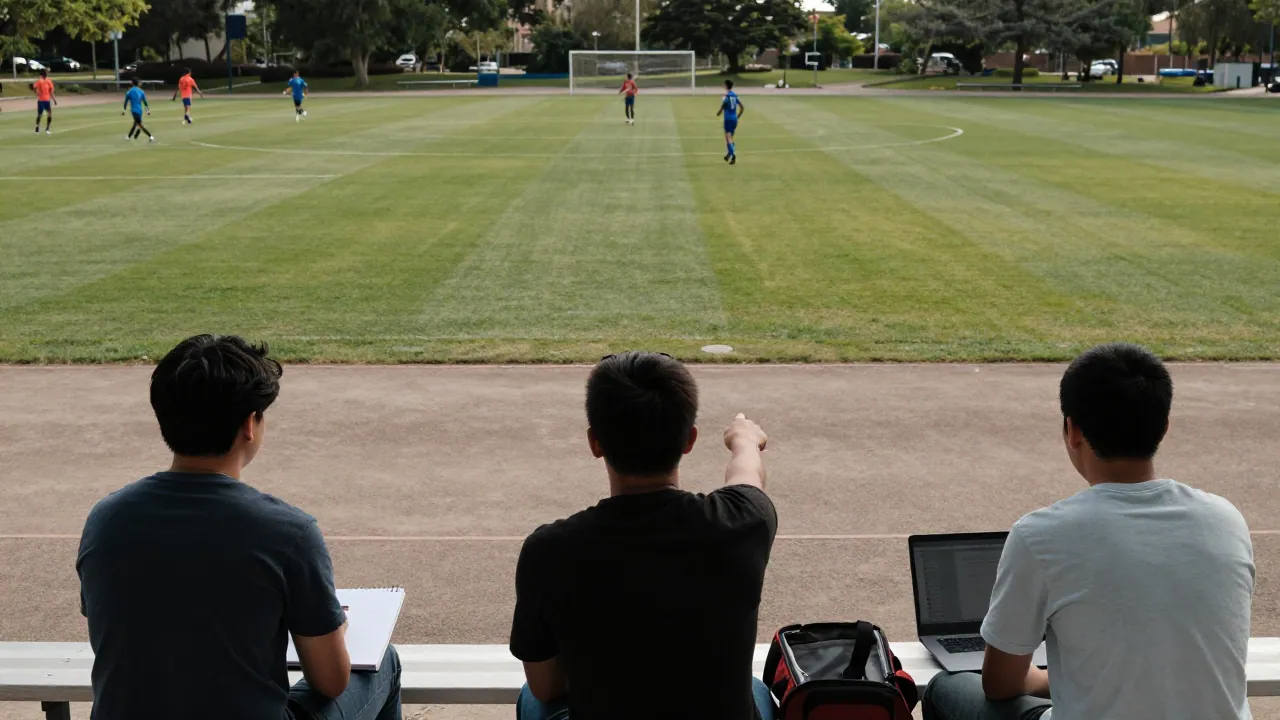
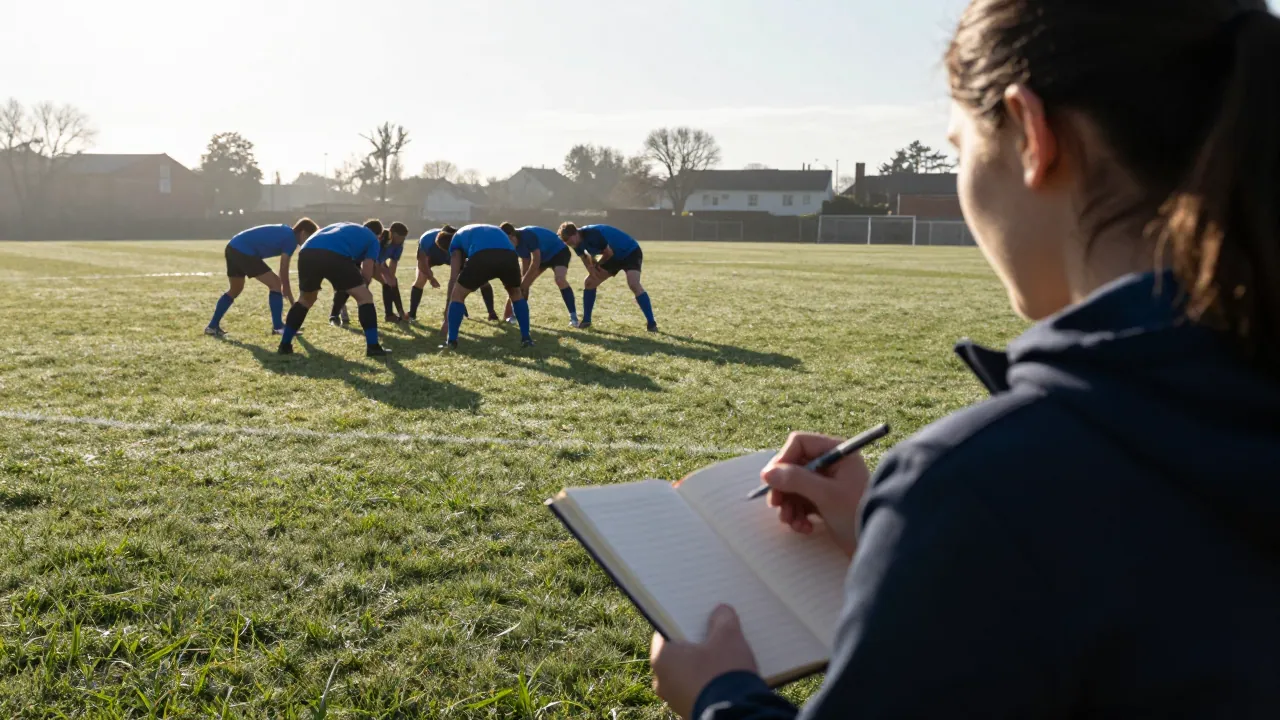
We are a volunteer community that helps freelance journalists cover soccer and rugby. We run workshops, guide press accreditation, pair writers on match days, and publish what we learn.
Bikaa is a volunteer community in the US that helps independent sports journalists and bloggers cover soccer, rugby and more. We run training programs, help with press accreditation, and publish match analysis, interviews and sports technology notes.
Workshop Training Sessions
We run hands-on sessions on interview prep, note taking and stat checks, led by volunteer editors. Open to independent soccer and rugby writers who want feedback before their next assignment.
Press Accreditation Support
We help freelancers work through press box requests and credential paperwork, share deadlines and check lists, and answer questions from writers covering their first season on the touchline.
Match Coverage Desk
Volunteer writers and editors pair up to cover games, file notes and publish match analysis. A place for newer contributors to learn deadline habits alongside people who have done it.
Season Review Meetups
After each training season we gather to review what worked in workshops, what we changed and what we would do differently, then publish the lessons for the wider volunteer group.
How we work
How we work with writers
We keep things practical: editors volunteer their time, writers bring real assignments, and every session ends with notes you can use at the next match.
Workshops with feedback. Volunteer editors lead hands-on sessions on interview prep, note taking and stat checks. Bring your draft and leave with clear edits.
Accreditation help. We walk freelancers through press box requests and credential paperwork, share deadlines and check lists, and answer first-season questions.
Match coverage desk. Writers and editors pair up to cover games, file notes and publish match analysis. Newer contributors learn deadline habits alongside experienced people.
Season review meetups. After each training season we gather to review what worked, what we changed and what we would do differently, then publish the lessons.
Bikaa
Our small publishing record
A modest set of articles, topics and writers that shows what the volunteer group has been working on.
6articles in our library
3practical guides and explainers
5topics we write about
4writers on the team
31minutes of reading
From the blog
Match analysis, interviews and sports technology notes written by our volunteer contributors.
You are in the press box for the first time. The teams walk out, the crowd noise rises, and your notebook is open. Then the whistle goes and everything happens at once. This guide is for volunteer reporters and bloggers who have watched plenty of soccer but never had to write about it under deadline. By the end, you will know what to watch before the ball is in play, which notes to take during each phase, and how to turn those notes into a file that sounds like analysis rather than a fan's diary. The habits are simple, but…
In late March we cleared a long table in a borrowed meeting room on the edge of campus and spread out a college rugby season's worth of credential applications. Twelve volunteers, four hours, and a lot of sticky notes. The clinic was meant to be a paperwork session: check forms, match them to fixtures, send them on. It turned into the most useful training we have run this year. Most of what tripped people up was not complicated. It was the same handful of details, repeated across schools and sports. We took notes as we went, and this is what…
Rugby league looks chaotic from the touchline the first time you see it live. The ball moves, the whistle goes, a team restarts from the middle, and nobody around you seems confused. That gap between your notes and everyone else's is the problem we set out to fix in our spring workshop for journalists new to the code. We spent a morning at a volunteer-run tournament, notebooks open, watching the same twenty minutes again and again. This guide gathers what we learned about the rhythms of the game, the cues worth watching early, and the habits that make a first…
Every workshop ends the same way: a scatter of handwritten notes, a few photos, and a set of drills that made sense at the time. Somewhere between the last session and the next cohort, those scraps need to become something usable. For the past four seasons, one volunteer has taken on that job for us. She sits down with the pile, reads it all, and asks the same question each time: what would a newcomer need to know on day one? Her answer becomes a checklist that runs to two pages, no more. The work is quiet and mostly unseen…
We have all seen the touchline tablet with the expensive subscription. At most amateur grounds, though, the budget is zero and the volunteer count is two. Over the past few training seasons we have tested simpler ways to collect basic movement and possession numbers at matches we cover, from pen-and-paper counts to phone apps that cost nothing. None of them replace a proper tracking system. All of them give a journalist something concrete to write about. Here are five methods we keep coming back to, what each one costs in time, and where it quietly falls short. If you are…
Every spring our volunteer group helps at a handful of community rugby tournaments, and the question we hear most from organisers is how to look after the writers who turn up. This guide is for tournament volunteers and club officers who want a workable press area without a big budget. You will be able to set up seating, power, wifi and a simple system for handling requests, using gear you probably already have. We have run this setup at three tournaments in the past two seasons, and the notes below are what we learned. If you are new to the…