What our spring accreditation clinic taught us about press passes
A look back at the credential applications we worked through for a college rugby season, and the small mistakes that caused the most delays.

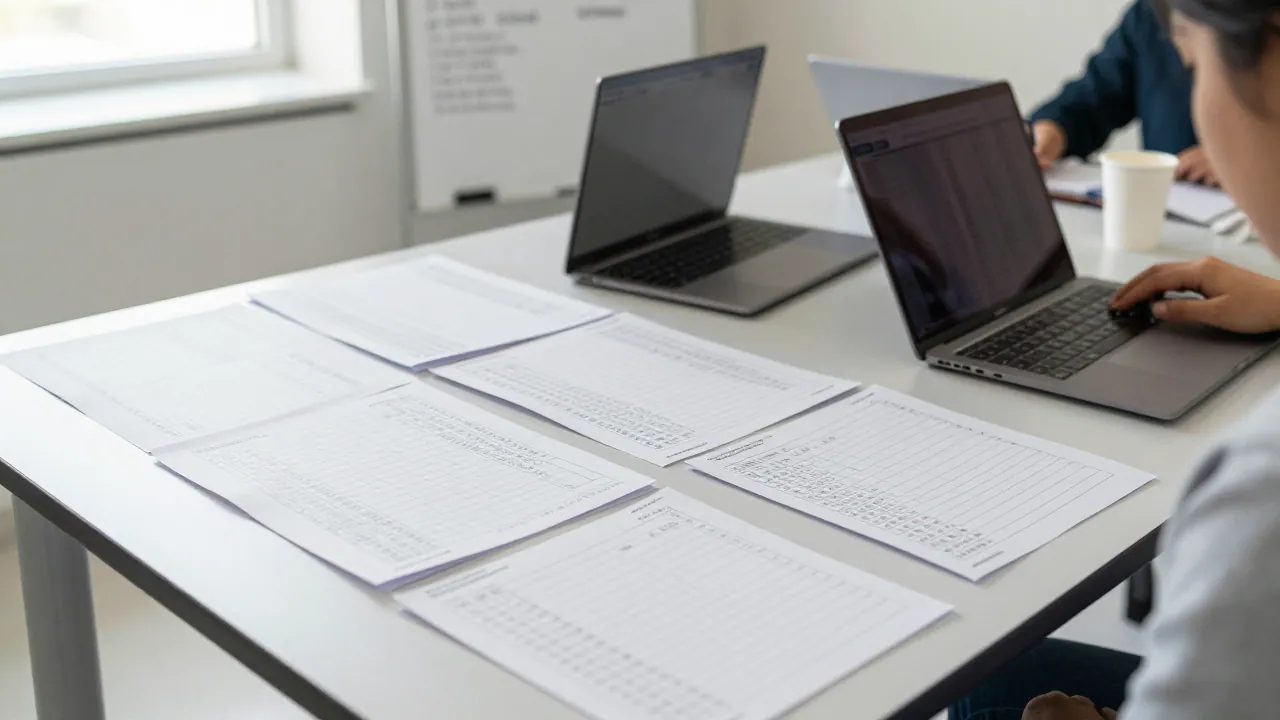
In late March we cleared a long table in a borrowed meeting room on the edge of campus and spread out a college rugby season's worth of credential applications. Twelve volunteers, four hours, and a lot of sticky notes. The clinic was meant to be a paperwork session: check forms, match them to fixtures, send them on. It turned into the most useful training we have run this year. Most of what tripped people up was not complicated. It was the same handful of details, repeated across schools and sports. We took notes as we went, and this is what we learned. If you are new to watching rugby league from the touchline, some of it will sound familiar.
The room was not glamorous. Fluorescent lights, a whiteboard with a broken marker tray, and a coffee urn that took twenty minutes to warm up. We had asked volunteers to bring laptops and a printed copy of each fixture list. By 9:30 a.m. the table was covered in paper, and the first argument was about whether a scrum-half's name should be spelled with a hyphen. It was that kind of morning.
The three things that slowed us down
We logged every application that needed a second pass. Out of 64 applications, 41 came back for a fix. The causes were consistent enough to put on a single page:
- Name mismatches: the name on the application did not match the name on the outlet's published staff page, or the byline used on recent match reports.
- Photo specifications: headshots that were too small, cropped square when the form asked for a portrait, or saved as a screenshot rather than an image file.
- Outlet descriptions: vague phrases like "sports media" without a publication name, a URL, or a clear statement of what the outlet covers.
None of these are hard to fix. The problem is that they are easy to miss when you are moving quickly. One volunteer spent twenty minutes chasing a photo that turned out to be a thumbnail embedded in an email signature.
What we changed by the afternoon
After lunch we stopped working applications one by one and started working them in batches by school. That simple switch cut the average time per application from about eleven minutes to six. Volunteers could see patterns across a single athletics department and ask one question instead of five.
We also wrote a one-page checklist that now sits at the top of every clinic table. It asks three questions: does the name match the byline, is the photo the right size and shape, and does the outlet description say what the outlet actually covers. If the answer to any of those is no, the application goes into a short "hold" pile rather than a long email thread.
The biggest surprise was how often people sent us a great application for the wrong season. We had three requests for a fall fixture that had already been played. The checklist now includes the fixture date, not just the school.
The batch method also made it easier to spot when an outlet was new to us. A first-time blogger with two match reports and a clear description was quicker to approve than a larger outlet with an incomplete form. That felt right. Our job is to help independent journalists get access, not to reward paperwork volume.
The note-taking habit that carried over
Halfway through the morning, one volunteer started keeping a running log of every question that came up. It was a plain text file, nothing fancy. By the end of the day it had 38 entries. We now use that log as the starting point for our workshop notes, and it has made our follow-up emails shorter and more specific.
The log also showed us where our own instructions were unclear. Seven people asked what "outlet URL" meant. That is on us. The form now has a short example next to the field, and the question has not come up in the two clinics since.
What happens next
We are running the clinic again in late August, before the fall rugby season. This time it will be a shorter morning session, with the checklist sent out a week in advance. We are also trying a "first fifteen minutes" slot where volunteers can bring one application and work through it with a partner before the room fills up.
For anyone covering matches this season, the lesson is simple. A clean application is mostly about matching details: the name, the photo, the outlet, the fixture. Get those four right and the rest tends to follow. If you are heading to a tournament rather than a single fixture, our notes on running a press box for a volunteer-run rugby tournament cover the same ground from the other side of the table.
Questions people ask
What is an accreditation clinic?
It is a working session where volunteers review credential applications together, fix common errors, and send them on to the relevant sports information contacts. We run them before each college rugby season.
Do I need to bring anything to a clinic?
Bring a laptop and a copy of the fixture list you are working from. If you have an application in progress, bring that too. We send the checklist out a week ahead so you can look it over.
How can I avoid a delayed application?
Match your name to your published byline, send a headshot in the size and shape the form asks for, and describe your outlet with a name, a URL, and what it covers. Check the fixture date before you send.